MENU

KNOW YOUR PESTS / KNOWLEDGE CENTER

TICK

To protect yourself from ticks, reduce contact in grassy and bushy areas. For exposed skin, choose a repellent that lists ticks as a target, and check your body on your return. Dealing with a tick attached to the skin is different from controlling ticks in your surroundings. Do not apply these products to an attached tick.

Last updated: 7 October 2026

VIEW SOLUTIONS
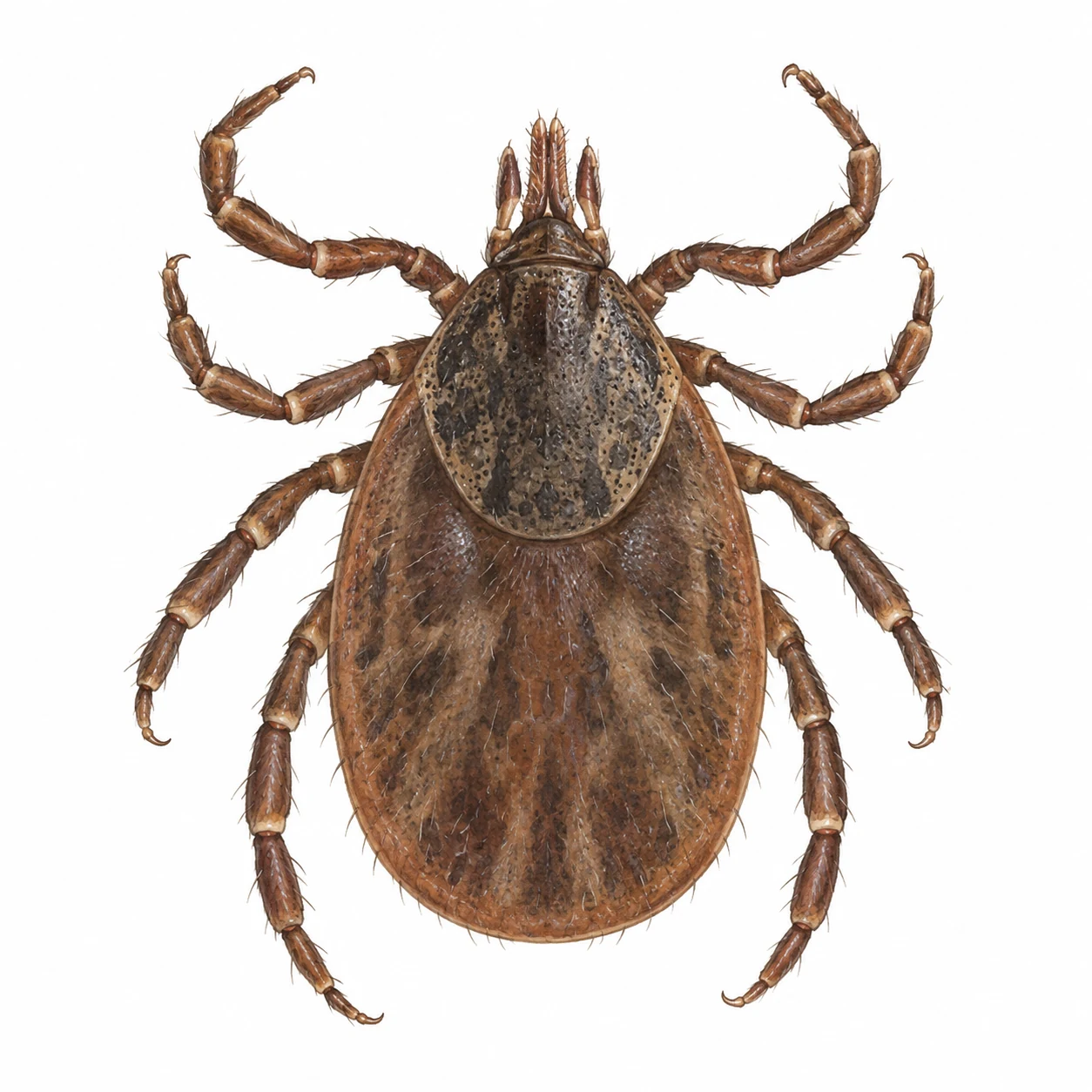
Tick: scientific editorial illustration; natural anatomical study
TICK
Stylised anatomical study
01

GET TO KNOW TICKS

WHERE?
Contact may occur in grassy, bushy and wooded areas.
WHEN?
Exposure varies with the environment and conditions.
WHAT SHOULD YOU DO?
Reduce contact; check your body and belongings on your return.
WHICH SOLUTION?
Protection on skin or environmental/surface treatment in accordance with the label.

WHY IT MATTERS FOR YOUR HEALTH

When infected, some tick species can carry pathogens that cause various diseases, including Crimean-Congo haemorrhagic fever (CCHF). CCHF is among the tick-borne diseases of public health importance in Türkiye; not every tick or attachment means disease. Risk varies with the species, region and infection status. If fever, weakness or other unusual symptoms develop after a tick attachment, seek medical attention and mention the tick contact.

A tick is an arthropod in the arachnid group, not an insect. It does not fly or jump; it can wait on grass or shrubs and attach through contact with a passing person or animal. This is why measures aimed only at airborne pests are not sufficient.

You may come across ticks in grassy, bushy or wooded areas, or where animals are present. Exposure varies with the environment and conditions. Walk in the centre of a path rather than brushing against tall grass, wear suitable clothing and check yourself on your return.

Why is it important to check your body on your return?

Ticks can be small, and you may not notice an attachment immediately. After spending time outdoors, check your body, clothing, bag and pets. Skin folds and hard-to-see areas are easy to miss; an adult should check children.

What should you do if you find an attached tick?

The tick should be removed promptly using an appropriate method. Do not handle it with bare hands, pour cologne or chemicals onto it, or press a cigarette against it. If you cannot remove it safely, seek medical attention as soon as possible. Do not apply the repellents or surface products on this page to an attached tick.

02

HOW TO PROTECT YOURSELF

  1. 01

    Reduce contact with grass and shrubs; walk in the centre of the path.

  2. 02

    Choose clothing that reduces exposed skin, and check your body, clothing and belongings after spending time outdoors.

  3. 03

    Plan tick control for pets with a veterinarian; do not apply an environmental product to an animal.

  4. 04

    For personal protection, choose a skin product that targets ticks; for environmental control, choose a product suited to the application area.

03

CHOOSE THE RIGHT PRODUCT

  1. 01

    Confirm the target pest

    Check that the product label explicitly lists ticks as a target. The general term “pest” does not mean the product is suitable for this target.

  2. 02

    Identify the application area

    Personal protection on the skin differs from control on surfaces or around residential premises. Do not apply these products to a tick attached to the body.

  3. 03

    Read the directions and any stated duration

    Compare the directions specific to the target pest and any stated duration of action. Do not apply one product's instructions to another or assume unverified durations.

  4. 04

    Check the authorisation details

    Especially when buying online, check the back label for the biocidal product authorisation number, authorisation date, active ingredient and directions for use.

04

SUITABLE PRODUCTS

Choose a tick solution according to the target and application area.

Compare pest control products across our brands, grouped by solution type. Find the options that suit your needs.

01

PERSONAL PROTECTION ON SKIN

Personal protection for exposed skin.

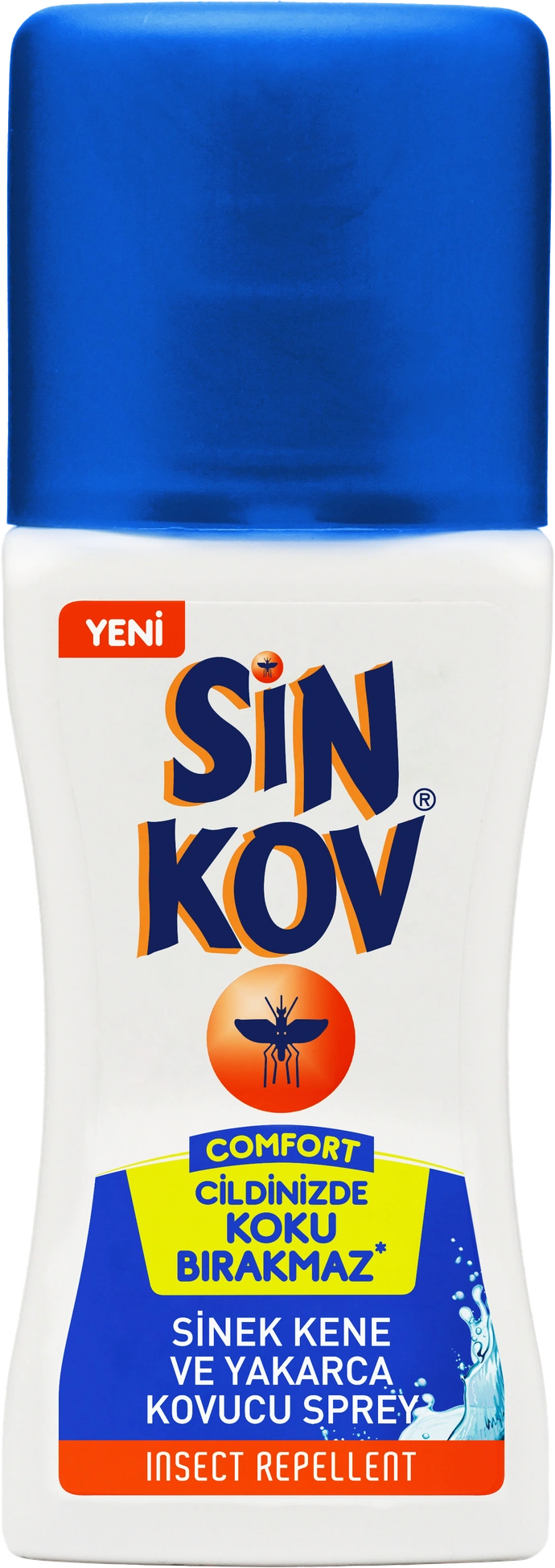
Sinkov Comfort Mosquito, Tick and Sand Fly Repellent Spray — actual product photograph

Sinkov

Sinkov Comfort Mosquito, Tick and Sand Fly Repellent Spray

PROTECTION THAT LEAVES NO ODOUR ON SKIN

≤2 hours

VIEW PRODUCT BUY NOW
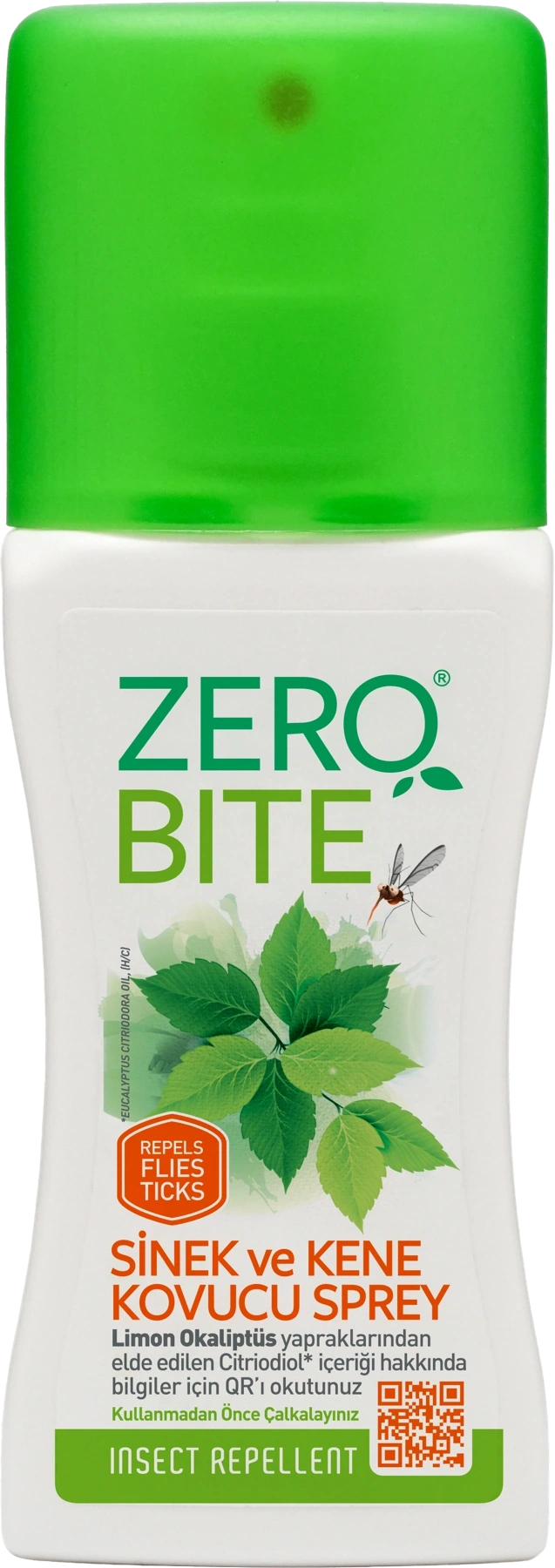
Zerobite Mosquito and Tick Repellent Spray — actual product photograph

ZEROBITE

Zerobite Mosquito and Tick Repellent Spray

PROTECTION FROM EUCALYPTUS EXTRACTS

≤2 hours

VIEW PRODUCT
02

SURFACE TREATMENT

Application to surfaces and around residential premises, following the product’s target-specific instructions.

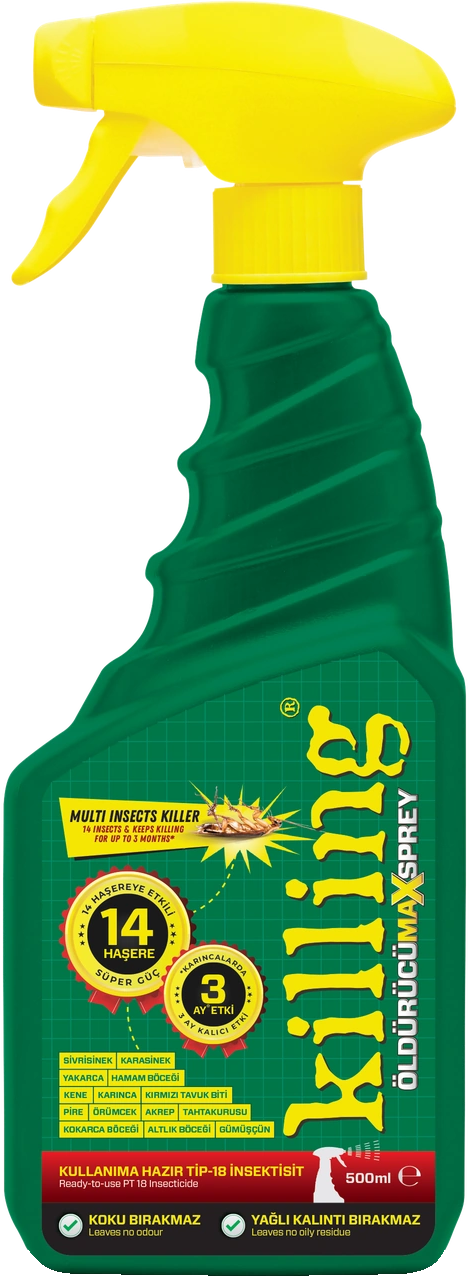
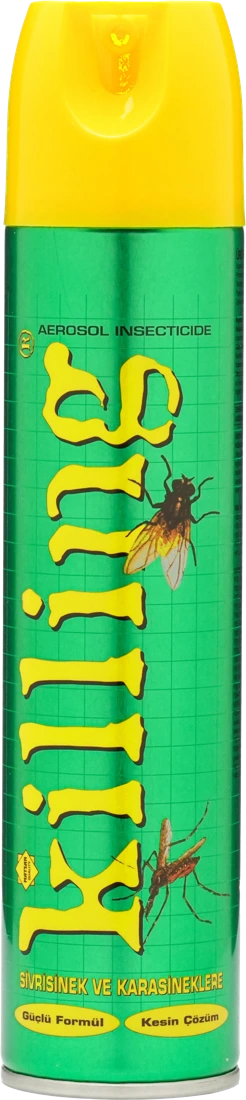
Killing Insecticide Aerosol — actual product photograph

KILLING

Killing Insecticide Aerosol

THE FASTEST CONTROL*

VIEW PRODUCT

*Compared with other Netpa Tüketim products.

05

FREQUENTLY ASKED QUESTIONS

Do ticks fly or jump?

No. Ticks do not fly or jump; they attach through contact with people or animals passing through grass and shrubs.

Where might you encounter them?

Grassy, bushy and wooded areas and environments where animals are present may be points of contact.

Why is it important to check your body on your return?

Ticks can be small, and an attachment may not be noticed immediately.

What should you do if you find an attached tick?

The tick should be removed promptly using an appropriate method. If you cannot remove it safely, seek medical attention. Do not pour chemicals, alcohol or cologne onto it; do not burn it with a cigarette.

How do you choose a tick repellent?

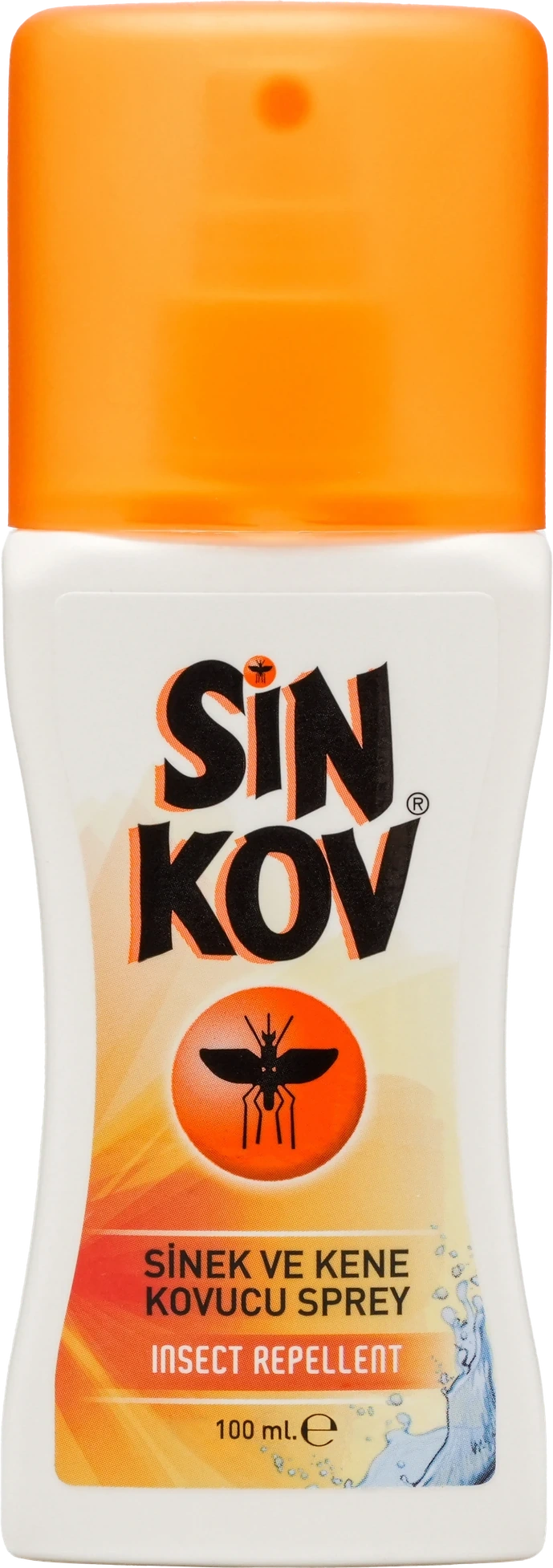
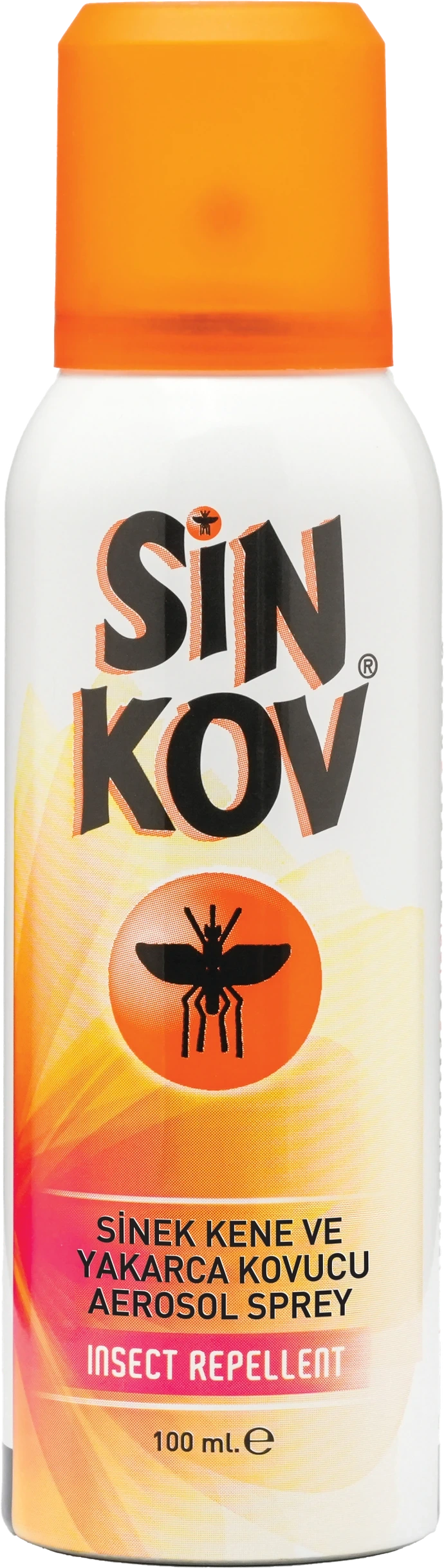
Look for ticks as a target on the label. Sinkov Spray, Comfort and Zerobite Spray are for skin protection for up to 2 hours; Sinkov Repellent Aerosol is for up to 4 hours. Do not apply these products to an attached tick.