01
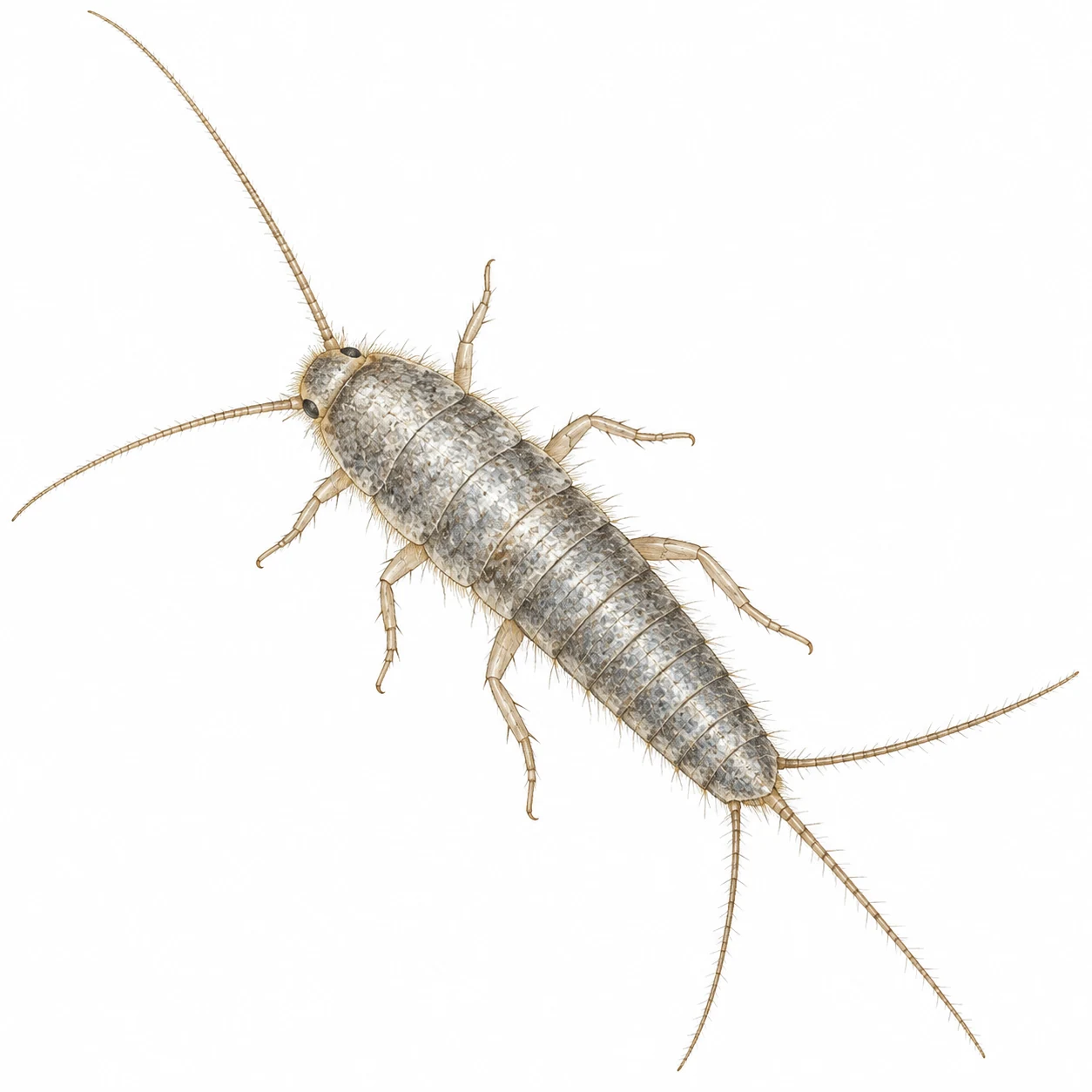
IDENTIFYING SILVERFISH
- How to identify it
- Slender body with silvery scales; two long antennae and three tail appendages.
- Where it is found
- Bathrooms, under sinks, basements and sheltered cracks.
- Behaviour
- Active at night; hides during the day.
- Solution type
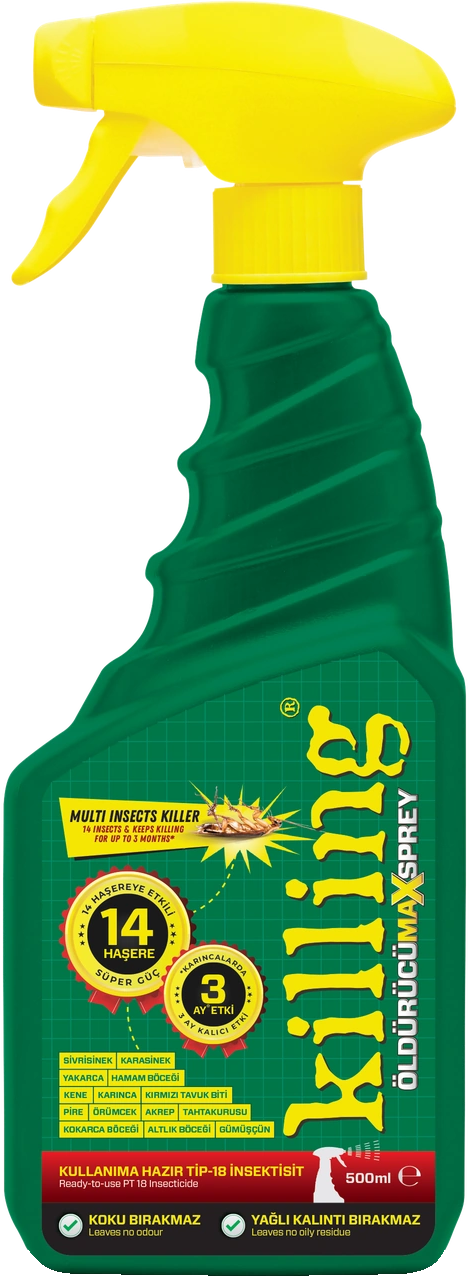
- Moisture control and surface treatment suited to the target pest.
WHY IT MATTERS FOR YOUR HEALTH
Silverfish do not bite people and are not known to be significant disease carriers. The main problem is that, under suitable conditions, they can damage paper products and some dry foods; seeing a single insect does not indicate a serious health hazard.
Their wingless body, long antennae and three slender tail appendages are distinctive features. They move quickly, so you may see them only briefly. Finding one in a bathroom is not enough for a definite identification.
They can establish themselves where moisture and hiding places are available. Glue in book bindings, starchy materials and some dry foods may provide food. Surface damage or irregular marks on paper should also be checked.
Why does moisture matter?
Leaks, condensation and inadequate ventilation can create a suitable habitat. Addressing the source of moisture is important for a lasting solution.
Can a build-up of cardboard be a problem?
Piles of cardboard and paper can provide hiding places. Reduce these accumulations, especially in damp storage areas; keep valuable books in dry conditions.