MENU

KNOW YOUR PESTS / KNOWLEDGE CENTER

SAND FLY / YAKARCA / TATARCIK

The sand fly, known in Turkish as yakarca or tatarcık, is a small fly that can bite. Protection options include clothing that covers the skin, suitable insect screens and a repellent whose label explicitly lists sand flies. Not every insect repellent is authorised against sand flies. Do not choose a product based on the general term “fly”.

Last updated: 7 October 2026

VIEW SOLUTIONS
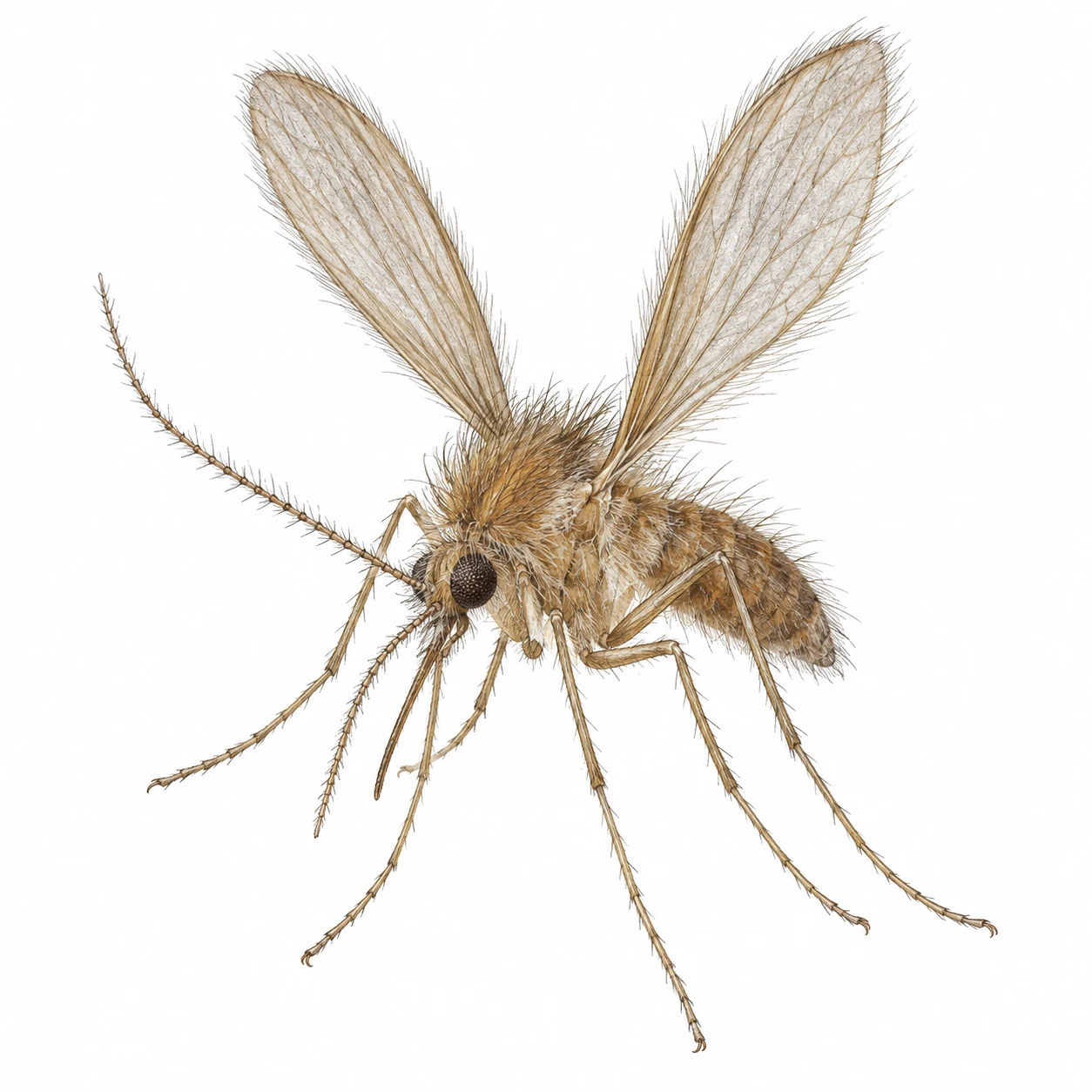
Sand fly: scientific editorial illustration; natural anatomical study
SAND FLY / YAKARCA / TATARCIK
Stylised anatomical study
01

GET TO KNOW SAND FLIES

WHERE?
Outdoor areas and spaces inadequately protected by insect screens.
WHEN?
Exposure may increase, particularly from evening to dawn.
WHAT SHOULD YOU DO?
Cover the skin; use fine-mesh insect screens.
WHICH SOLUTION?
A skin repellent, indoor or surface product targeting sand flies.

WHY IT MATTERS FOR YOUR HEALTH

Some infected sand fly species can carry the Leishmania parasite, which can cause leishmaniasis. Risk depends on the species and region; not every sand fly bite means disease. Seek medical attention for persistent skin lesions or unusual symptoms. The products here are not presented with claims to treat or prevent disease.

On this page, yakarca and tatarcık are two common Turkish names for the same target: the sand fly. It is a very small fly with a hairy appearance. Not every small flying insect is a sand fly; the species cannot be conclusively identified from size or bite marks alone.

Sand flies appear smaller and hairier; at rest, they may hold their wings open and pointing upwards. Unlike mosquitoes, which develop in water, sand flies can develop in sheltered, moist areas containing organic matter. This difference in habitat matters for control.

When and where are they active?

Many species are more active from evening towards dawn. Shaded, moist and sheltered outdoor areas and cracks around buildings may provide suitable shelter. Fine-mesh insect screens and clothing that reduces exposed skin are especially relevant for this small pest.

Why do they bite, and is every repellent suitable?

Females are the ones that feed on blood; a bite may be noticed through itching or an individual skin reaction. A product’s suitability for mosquitoes does not automatically make it suitable for sand flies. Look for sand flies explicitly listed as a target and the product-specific duration on the label.

02

HOW TO PROTECT YOURSELF

  1. 01

    Reduce exposed skin outdoors in the evening and at night.

  2. 02

    Check fine-mesh insect screens and openings around doors and windows.

  3. 03

    Reduce organic waste and sheltered, damp accumulations around buildings.

  4. 04

    If a product is needed, choose one whose label lists sand flies as a target and specifies the correct application area.

03

CHOOSE THE RIGHT PRODUCT

  1. 01

    Confirm the target pest

    Check that the product label explicitly lists sand flies as a target. The general term “pest” does not mean the product is suitable for this target.

  2. 02

    Identify the application area

    Skin, indoor and surface products serve different purposes. Decide whether you need personal protection or pest control in your living space.

  3. 03

    Read the directions and any stated duration

    Compare the directions specific to the target pest and any stated duration of action. Do not apply one product's instructions to another or assume unverified durations.

  4. 04

    Check the authorisation details

    Especially when buying online, check the back label for the biocidal product authorisation number, authorisation date, active ingredient and directions for use.

04

SUITABLE PRODUCTS

Choose a sand fly solution according to the target and application area.

Compare pest control products across our brands, grouped by solution type. Find the options that suit your needs.

01

PERSONAL PROTECTION ON SKIN

Personal protection for exposed skin.

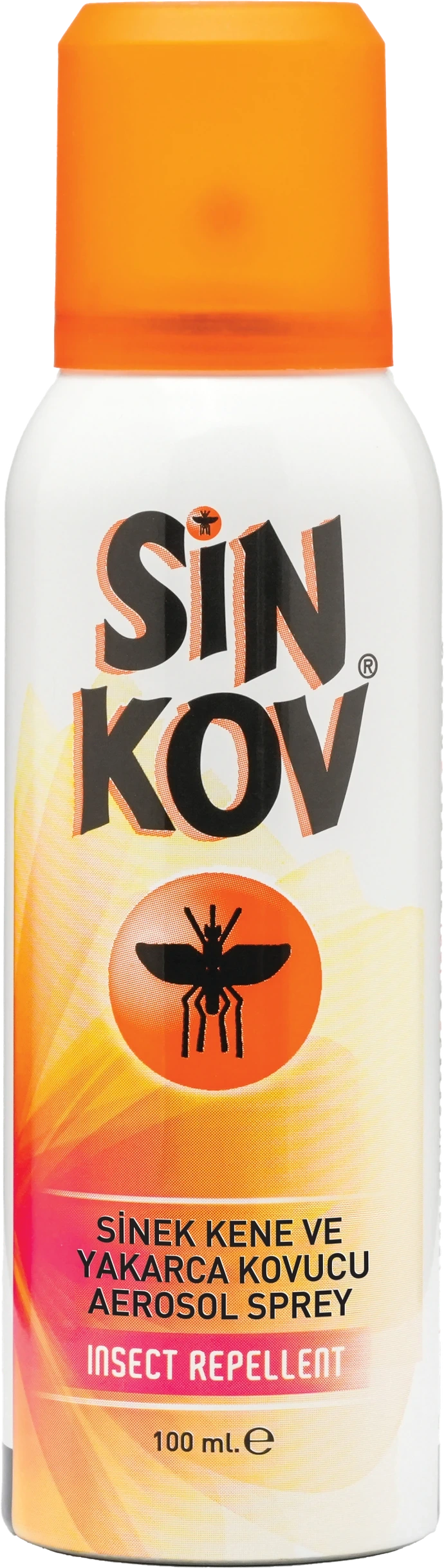
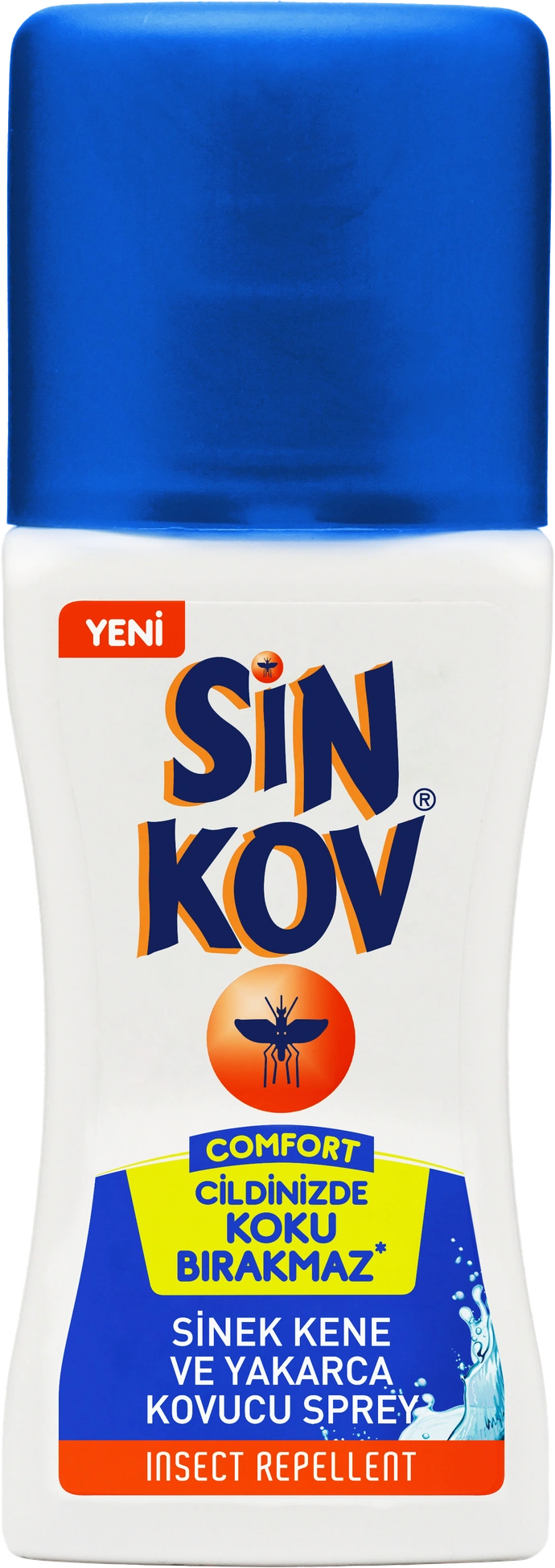
Sinkov Comfort Mosquito, Tick and Sand Fly Repellent Spray — actual product photograph

Sinkov

Sinkov Comfort Mosquito, Tick and Sand Fly Repellent Spray

PROTECTION THAT LEAVES NO ODOUR ON SKIN

≤5 hours

VIEW PRODUCT BUY NOW
02

DIRECT CONTROL OF FLYING PESTS INDOORS

Direct action against flying target pests.

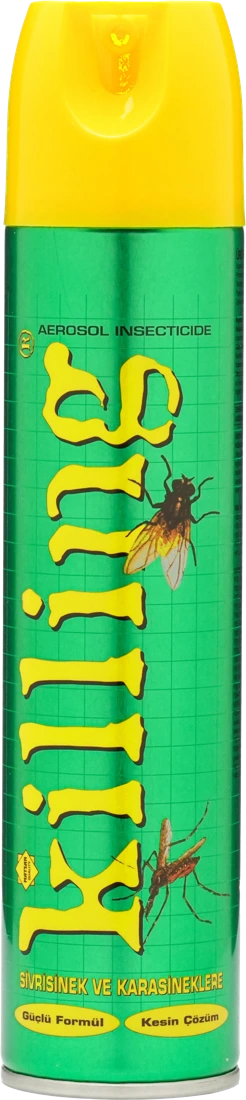
Killing Insecticide Aerosol — actual product photograph

KILLING

Killing Insecticide Aerosol

THE FASTEST CONTROL*

VIEW PRODUCT

*Compared with other Netpa Tüketim products.

03

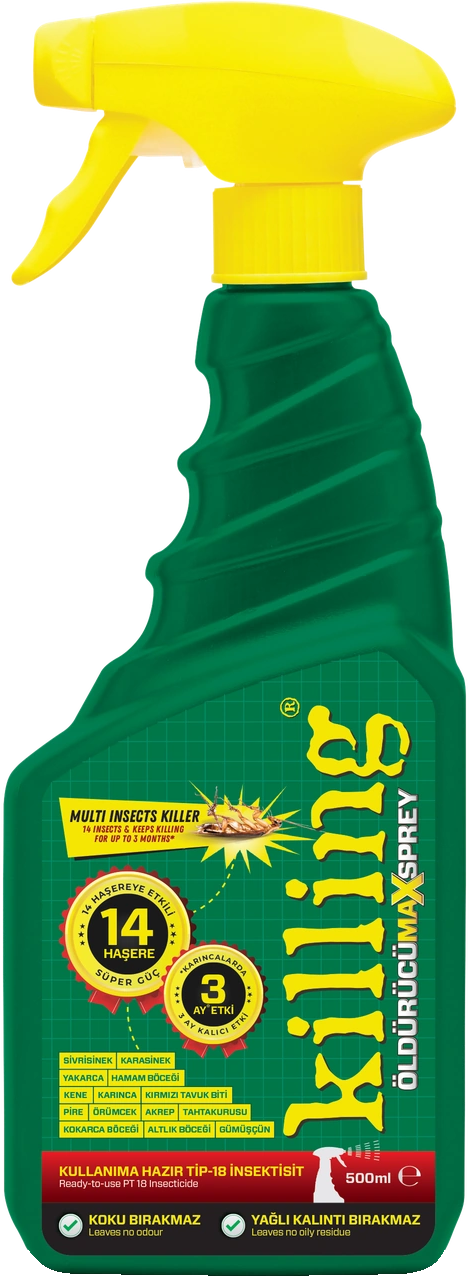
SURFACE TREATMENT

Application to surfaces where the target pest is present.

05

FREQUENTLY ASKED QUESTIONS

Are yakarca and tatarcık the same?

On this page, yakarca and tatarcık are two common Turkish names for the same target: the sand fly. It is a very small fly with a hairy appearance. Not every small flying insect is a sand fly; the species cannot be conclusively identified from size or bite marks alone.

How do they differ from mosquitoes?

Sand flies appear smaller and hairier; at rest, they may hold their wings open and pointing upwards.

When and where are they active?

Many species are more active from evening towards dawn.

Why do they bite, and is every repellent suitable?

Females are the ones that feed on blood; a bite may be noticed through itching or an individual skin reaction. A product’s suitability for mosquitoes does not automatically make it suitable for sand flies. Look for sand flies explicitly listed as a target and the product-specific duration on the label.
Is every insect repellent suitable for sand flies?

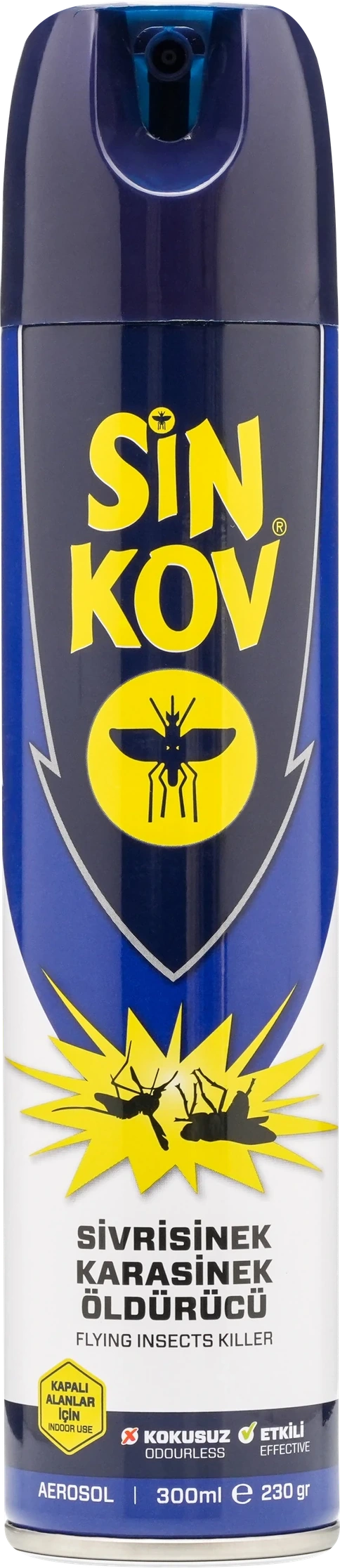
No. Sand flies must be listed as a target on the label; Comfort is for protection for up to 5 hours, and Sinkov Repellent Aerosol for up to 6 hours.