MENU

KNOW YOUR PESTS / KNOWLEDGE CENTER

POULTRY RED MITE

The poultry red mite is called a louse in Turkish, but it is a mite: Dermanyssus gallinae. It usually feeds on poultry at night and hides in cracks and joints in the poultry house during the day. Hygiene and hiding places are key considerations for control.

Last updated: 7 October 2026

VIEW SOLUTIONS
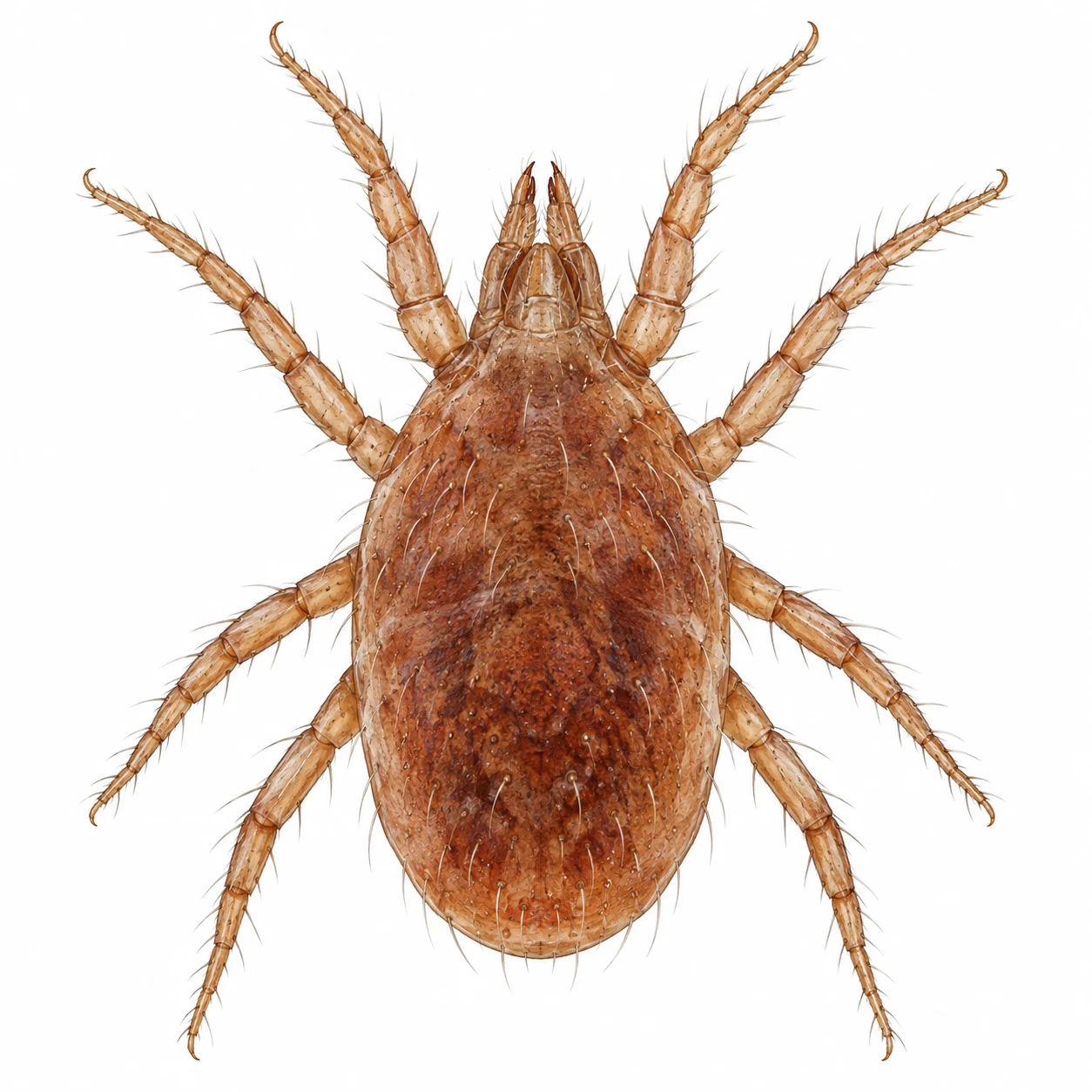
Poultry red mite: scientific editorial illustration; natural anatomical study
POULTRY RED MITE
Stylised anatomical study
01

GET TO KNOW POULTRY RED MITES

How to identify it
A very small, oval mite; adults have eight legs.
Where it is found
Perches, nest boxes, and cracks and joints in the poultry house.
Behaviour
Feeds at night and hides in the surroundings during the day.
Solution type
Poultry house hygiene and surface treatment only.

WHY IT MATTERS FOR YOUR HEALTH

Heavy mite infestations may be associated with discomfort and blood loss in poultry. They can also bite humans; this does not mean they reproduce persistently on humans. Seek a veterinary assessment for symptoms in poultry.

They may not always be visible on the birds. Also check perch and nest box joints where they hide during the day. When needed, seek veterinary help to distinguish poultry red mites from other poultry mites.

Why is checking only the chicken not enough?

Poultry red mites may spend a substantial part of the day in sheltered places around the poultry house. Assess hiding places as well.

02

HOW TO PROTECT YOURSELF

  1. 01

    Clean the poultry house and maintain the litter regularly; reduce accumulations of organic matter.

  2. 02

    Reduce hiding places by checking perches, nest boxes and structural joints.

  3. 03

    For recurring problems, assess poultry health and environmental management together with a veterinarian.

03

CHOOSE THE RIGHT PRODUCT

  1. 01

    Confirm the target pest

    Check that the product label explicitly lists poultry red mites as a target. The general term “pest” does not mean the product is suitable for this target.

  2. 02

    Check the application area

    Do not apply Killing products to chickens or other animals. Use only in environments and on surfaces specified on the product label; read the instructions on protecting animals, feed and drinking equipment. Consult a veterinarian about poultry health.

  3. 03

    Read the directions for use on the label

    Compare the directions specific to the target pest and any stated duration of action. Do not apply one product's instructions to another or assume unverified durations.

  4. 04

    Check the authorisation details

    Especially when buying online, check the back label for the biocidal product authorisation number, authorisation date, active ingredient and directions for use.

04

SUITABLE PRODUCTS

Choose a poultry red mite solution according to the target and application area.

Compare pest control products across our brands, grouped by solution type. Find the options that suit your needs.

Do not apply Killing products to chickens or other animals. Use only in environments and on surfaces specified on the product label; read the instructions on protecting animals, feed and drinking equipment. Consult a veterinarian about poultry health.

01

SURFACE TREATMENT

Application to surfaces where the target pest is present.

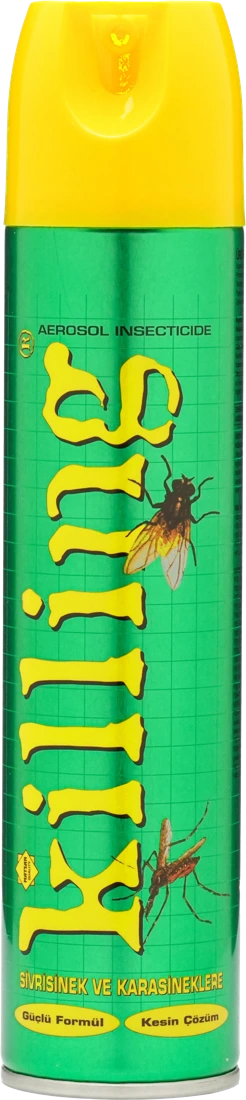
Killing Insecticide Aerosol — actual product photograph

KILLING

Killing Insecticide Aerosol

THE FASTEST CONTROL*

Apply to surfaces specified on the label.

VIEW PRODUCT

*Compared with other Netpa Tüketim products.

05

FREQUENTLY ASKED QUESTIONS

Do poultry red mites live on chickens or in their surroundings?

They usually feed on poultry at night and hide in cracks and joints in the poultry house during the day. Both the birds and their surroundings should be assessed.

Can poultry red mites bite humans?

Yes, they can also bite humans. However, sustained reproduction on human blood is not expected; the birds and environment that are the source should be addressed.

Can Killing products be applied to chickens?

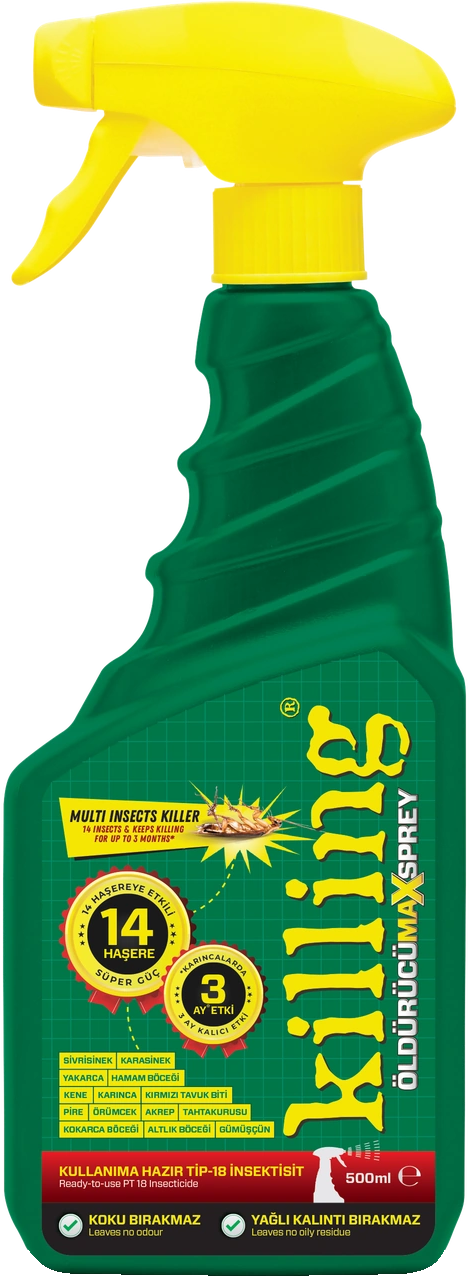
No. Killing Max Spray and Killing Insecticide Aerosol must not be applied to chickens or any other animals. Use them only in the environments and on the surfaces specified on the label.

Which products are shown for this target?

Killing Max Spray and Killing Insecticide Aerosol are listed as surface products. Check the label for conditions of use around poultry houses and animals.