01
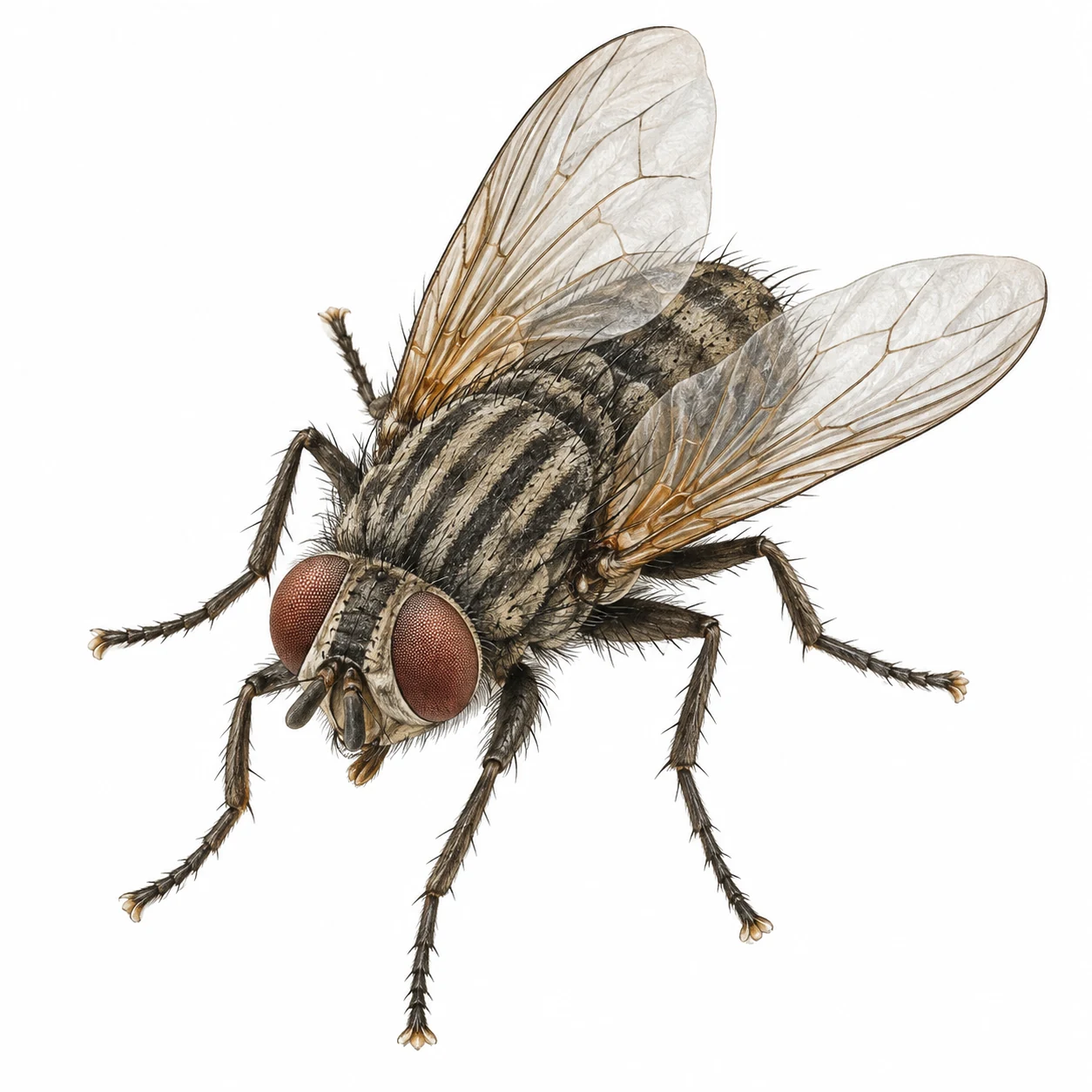
IDENTIFYING HOUSEFLIES
- WHERE?
- Around rubbish, animal waste and damp organic matter.
- WHEN?
- The problem may persist where food and breeding sites are available.
- WHAT SHOULD YOU DO?
- Reduce entry through waste management and insect screens.
- WHICH SOLUTION?
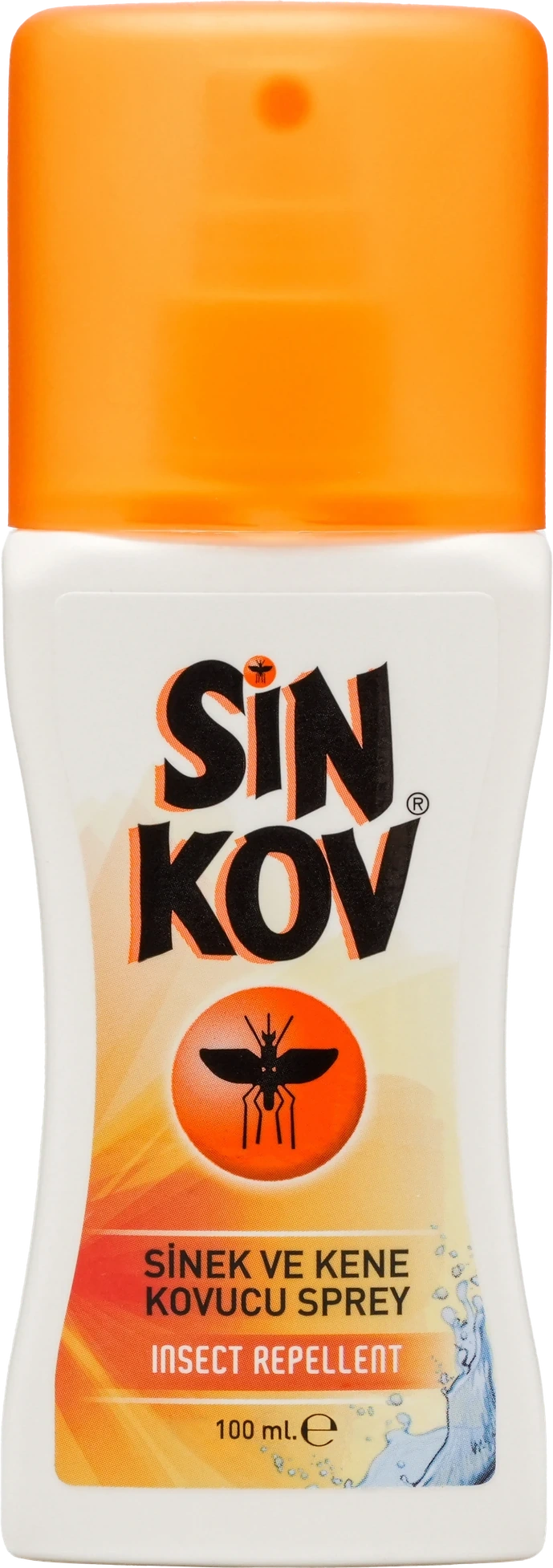
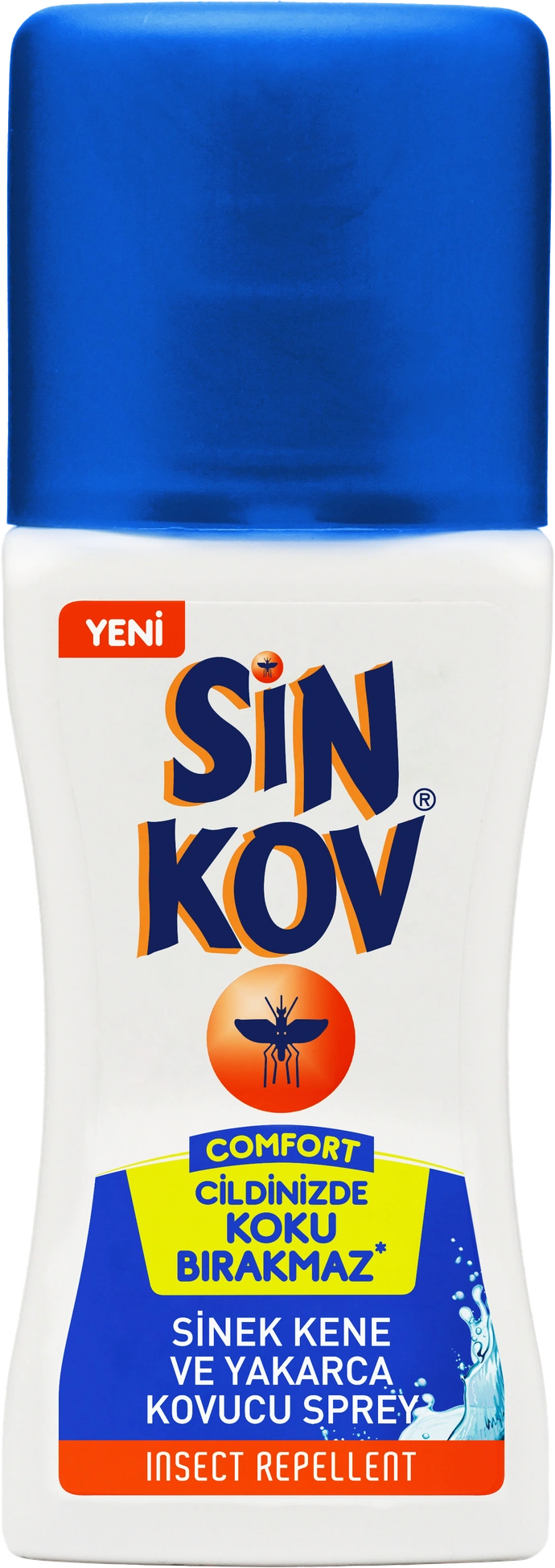
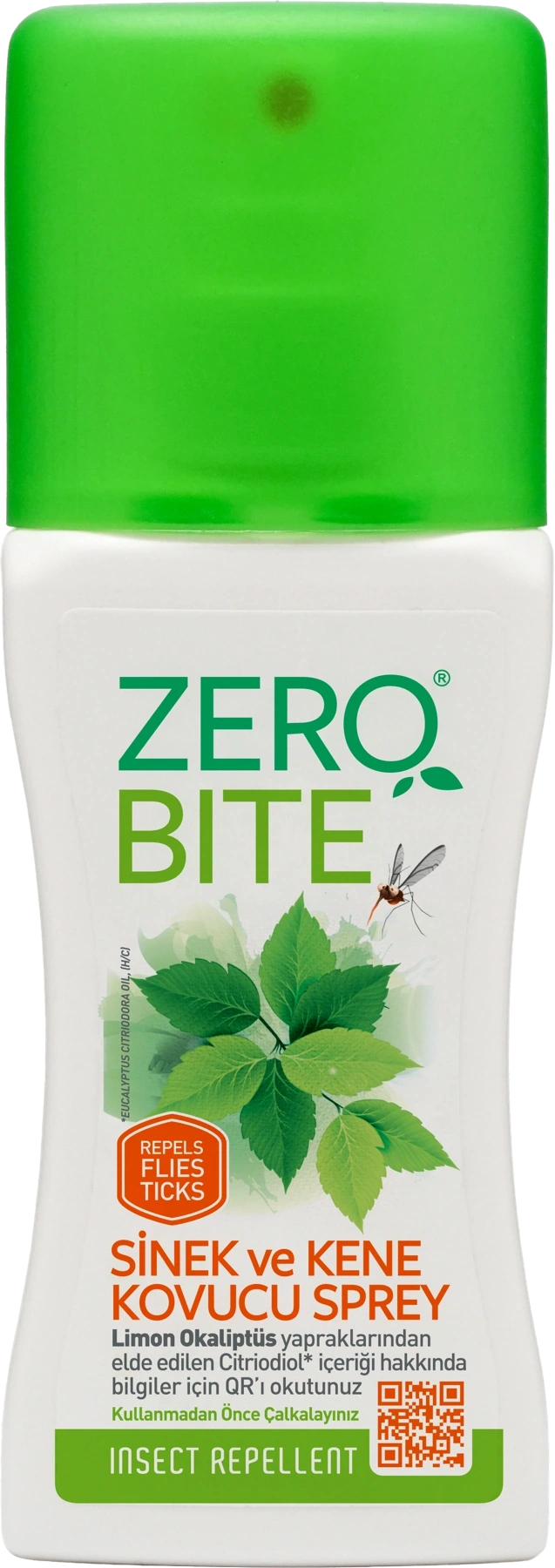
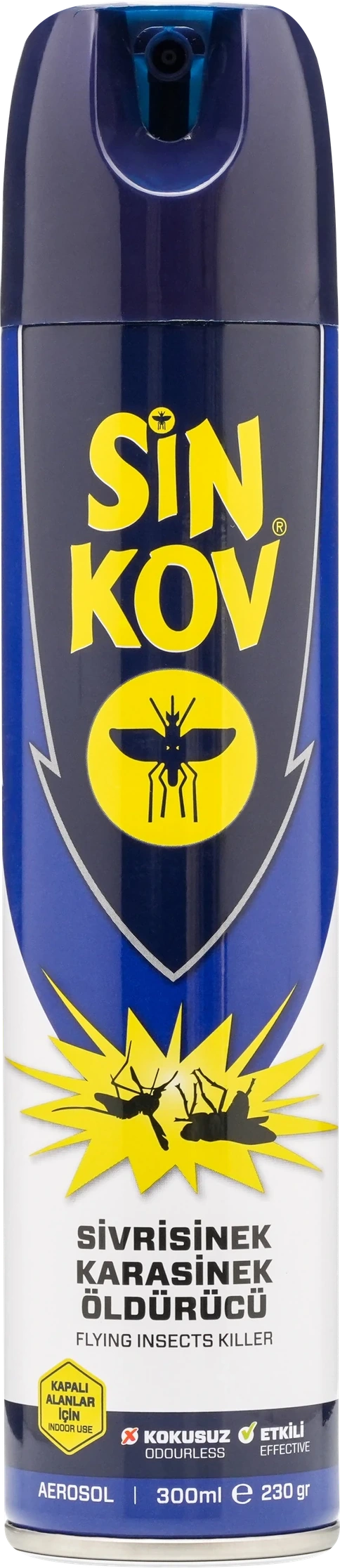
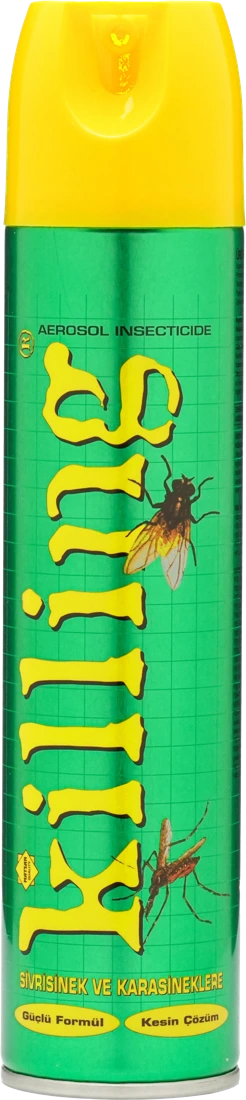
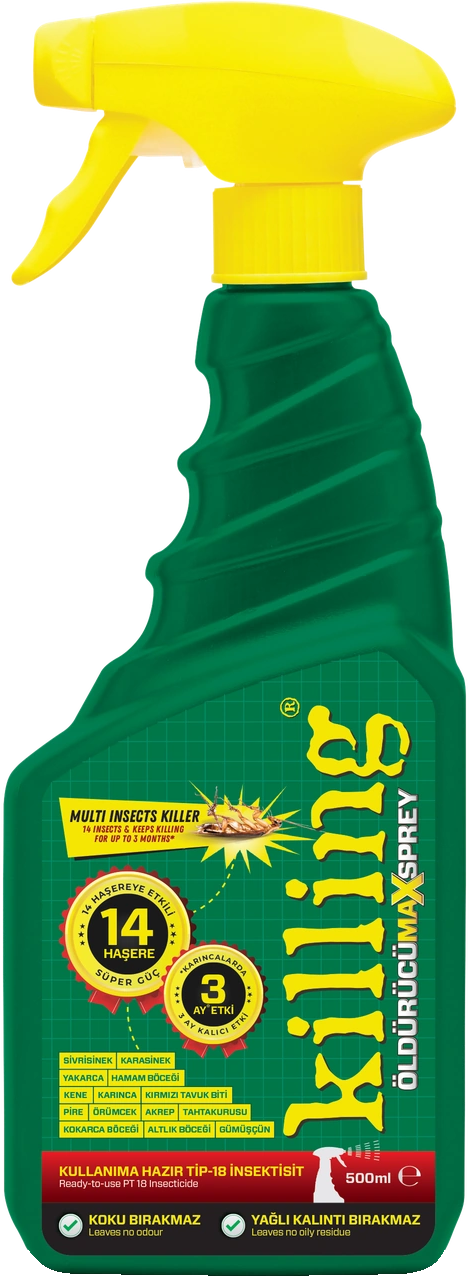
- Skin, indoor or surface use, according to your needs.
WHY IT MATTERS FOR YOUR HEALTH
Houseflies may contribute to the mechanical transfer of microorganisms as they move between waste, surfaces and food. This does not mean every fly transmits disease; covering food, removing waste and cleaning contact surfaces are important for hygiene. Removing only the visible fly does not address the source of contamination and breeding.
Houseflies may access sources such as food odours, organic waste and animal waste. Open doors and windows make it easier for them to enter homes. Warm conditions and suitable breeding sources can increase their numbers; managing sources should be considered separately from controlling visible flies.
They seek sources of food, so exposed food and preparation areas may attract them. Covering food, cleaning up spills and keeping rubbish covered are part of everyday hygiene. If a product is to be applied, food and containers must be removed from the area.
Why do rubbish and organic waste matter?
Immature stages developing in suitable organic material can produce new adults. Regular waste removal, cleaning rubbish containers and reducing entry points work together. Targeting only adult flies may leave the source in place.
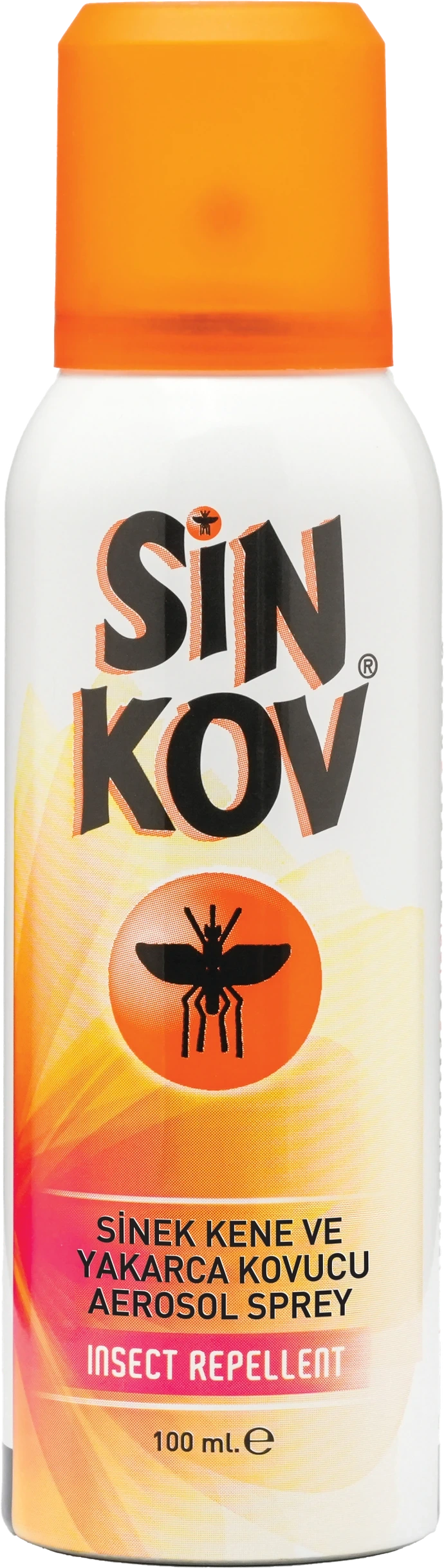
Is protection on the skin the same as control in a room?
No. A skin repellent is for personal protection. A room aerosol targets flying pests that are present, while a surface product is used on areas specified on the label. Do not use a product in a different application area. Check the target pest and area of use, rather than a general reference to “flies”.