01
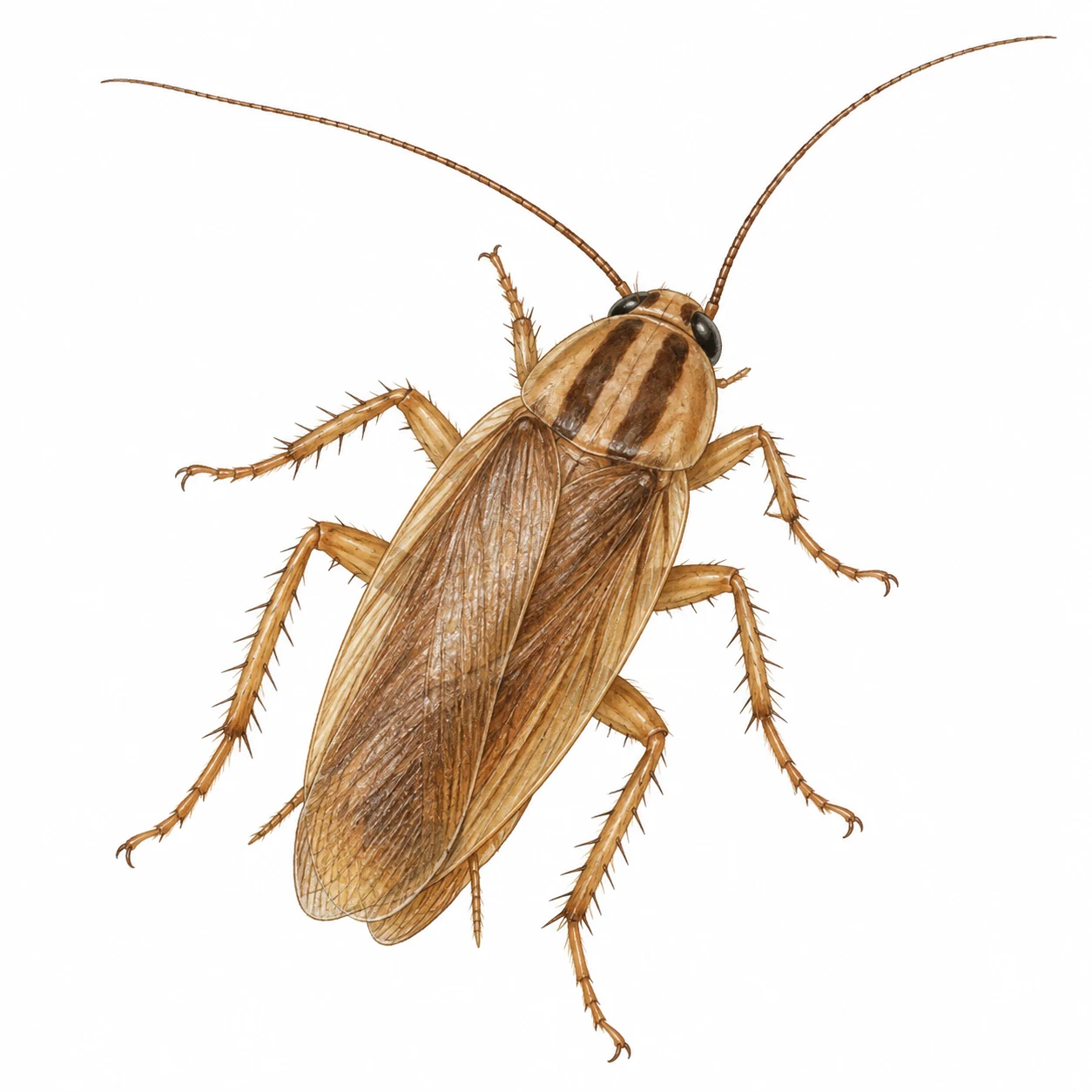
IDENTIFYING COCKROACHES
- WHERE?
- Cracks, behind appliances and sheltered areas.
- WHEN?
- Most species are more visible at night.
- WHAT SHOULD YOU DO?
- Reduce food, water and shelter together.
- WHICH SOLUTION?
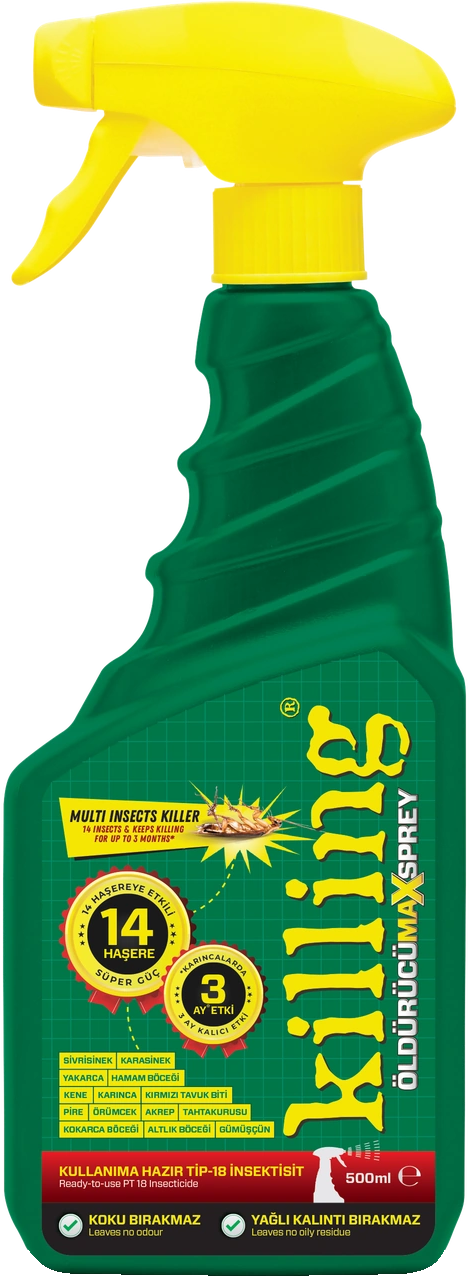
- A surface treatment product targeting cockroaches.
WHY IT MATTERS FOR YOUR HEALTH
Cockroach droppings, body parts and secretions may be sources of allergens and can trigger allergy and asthma symptoms in sensitive people. Their movement between waste and food areas also matters for hygiene and contamination. Without equating every sighting with disease, manage hiding places and food and water sources together.
Yes. They can reach a clean home through belongings, packaging or passages within a building. Food, water and sheltered gaps help them establish themselves. If you blame the problem only on a lack of cleaning, you may overlook entry points and sources around the building.
Areas around kitchens and bathrooms, pipe openings, cupboard joints and warm, narrow gaps can provide hiding places. Many species are mainly active at night. As they also hide when they are not visible, checking only open areas may not be enough.
Why do water sources matter?
A leaking pipe, damp area or water source left accessible at night may support their survival. Repairing water leaks, covering food and reducing narrow hiding places are all important. One measure does not replace another.
Is treating a single visible cockroach enough?
Unseen individuals and other life stages may be present in hiding places. A single sighting does not reveal the full extent of the problem. For recurring or widespread problems, assess sources and hiding places together through monitoring and qualified pest control support.