MENU

KNOW YOUR PESTS / KNOWLEDGE CENTER

BED BUG

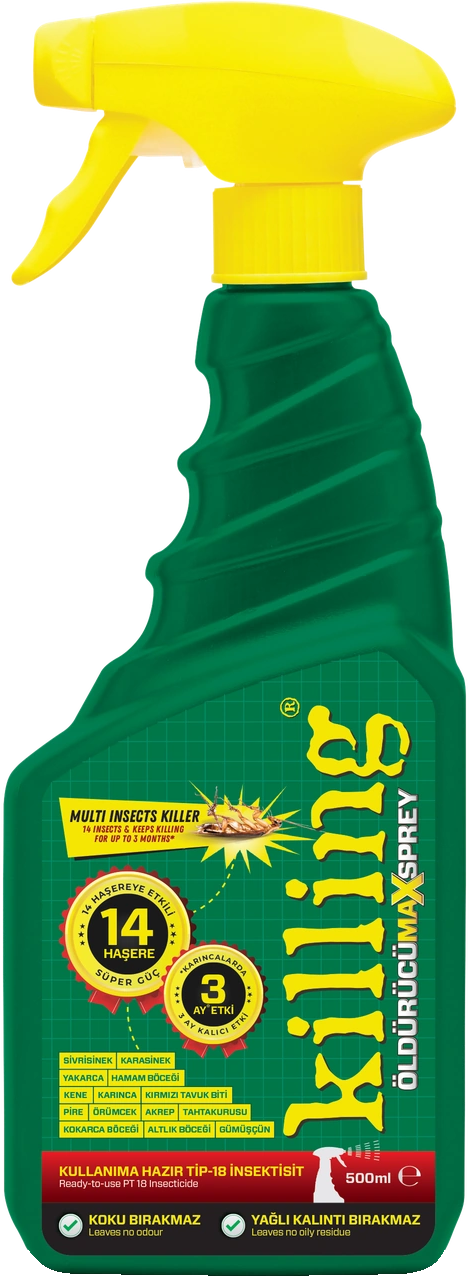
If you suspect bed bugs, do not rely on bite marks alone. Check hiding places and physical signs too. Plan inspection, cleaning and appropriate control together. Killing Max and Killing Aerosol are the surface options in this portfolio; skin repellents are not presented as a bed bug solution.

Last updated: 7 October 2026

VIEW SOLUTIONS
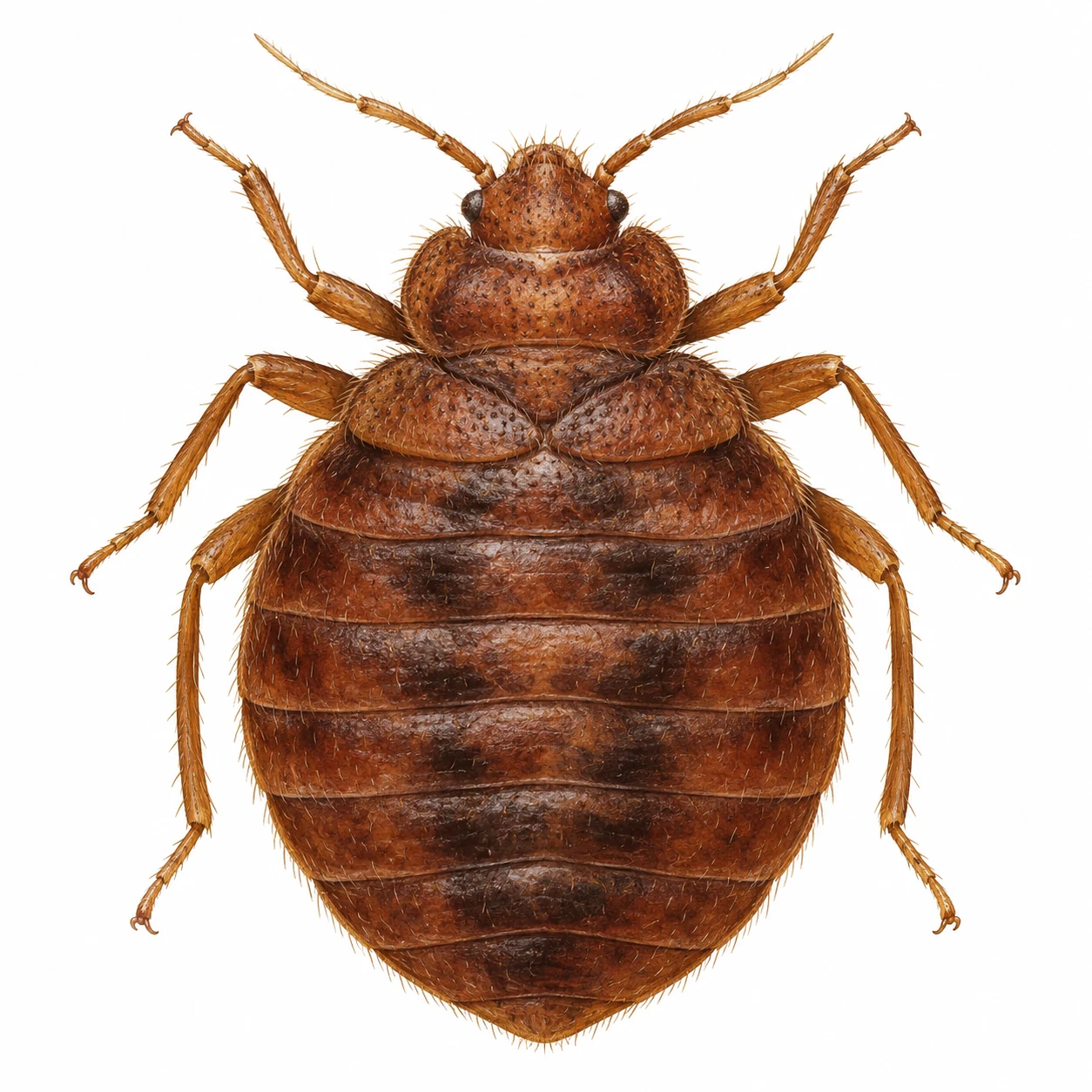
Bed bug: scientific editorial illustration; natural anatomical study
BED BUG
Stylised anatomical study
01

GET TO KNOW BED BUGS

WHERE?
Seams, joints and narrow gaps around beds.
WHEN?
They can remain hidden even when not seen.
WHAT SHOULD YOU DO?
Confirm the signs and inspect belongings.
WHICH SOLUTION?
Surface treatment suited to the target pest.

WHY IT MATTERS FOR YOUR HEALTH

Bed bugs are not known to transmit disease to humans. Their bites can cause itching and skin reactions that vary from person to person; a heavy infestation may also affect sleep and mental well-being. The appearance of bites alone does not establish a diagnosis. Consult a healthcare professional for severe skin reactions or signs suggesting infection.

Adults appear flat, oval and brownish. Live insects, shed skins or dark spots in mattress seams and furniture joints can provide clues for inspection. The presence of bed bugs cannot be confirmed from the appearance of bites alone.

They can hide in narrow gaps in beds, bed bases, headboards and nearby furniture. Heavier infestations may spread to other cracks. Not seeing them during the day does not mean they are absent. Carefully inspect areas around places used for resting and sleeping.

Can they be brought home after travel?

They can be carried in luggage, clothing or second-hand items. Inspecting the area around the bed when staying away, not leaving luggage open on the bed and checking belongings on your return are useful precautions. They can also occur in clean homes; the problem is not related only to dirt.

Why can control be difficult?

Small hiding spaces, eggs and spread through belongings can make control difficult. Moving belongings into other rooms can spread the problem. Regular inspection and qualified support are important. Do not apply the surface products shown here to sheets, pillows or areas of direct skin contact.

02

HOW TO PROTECT YOURSELF

  1. 01

    Inspect the area around the bed when travelling, and check luggage and clothing on your return.

  2. 02

    Inspect second-hand furniture before bringing it into the home.

  3. 03

    Reduce clutter; clean and care for textiles according to the item’s instructions.

  4. 04

    Seek qualified pest control support for a widespread or recurring problem; do not move belongings into other rooms without precautions.

03

CHOOSE THE RIGHT PRODUCT

  1. 01

    Confirm the target pest

    Check that the product label explicitly lists bed bugs as a target. The general term “pest” does not mean the product is suitable for this target.

  2. 02

    Identify the application area

    For this target pest, use only the surfaces specified on the label. Do not treat people, animals, food or textiles that come into direct contact with skin as application areas.

  3. 03

    Read the directions and any stated duration

    Compare the directions specific to the target pest and any stated duration of action. Do not apply one product's instructions to another or assume unverified durations.

  4. 04

    Check the authorisation details

    Especially when buying online, check the back label for the biocidal product authorisation number, authorisation date, active ingredient and directions for use.

04

SUITABLE PRODUCTS

Choose a bed bug solution according to the target and application area.

Compare pest control products across our brands, grouped by solution type. Find the options that suit your needs.

01

SURFACE TREATMENT

Application to surfaces where the target pest is present.

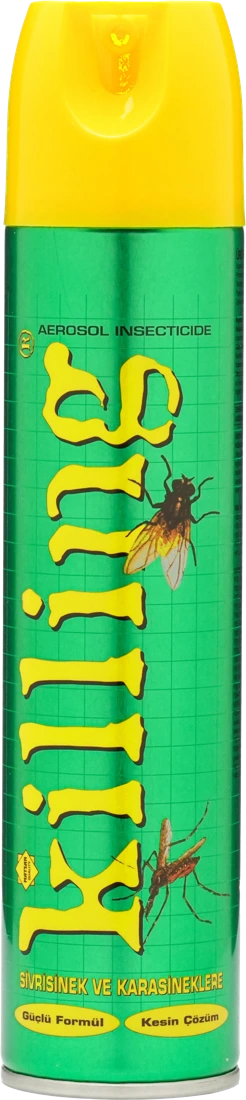
Killing Insecticide Aerosol — actual product photograph

KILLING

Killing Insecticide Aerosol

THE FASTEST CONTROL*

VIEW PRODUCT

*Compared with other Netpa Tüketim products.

05

FREQUENTLY ASKED QUESTIONS

How can you identify bed bugs?

Adults appear flat, oval and brownish. Live insects, shed skins or dark spots in mattress seams and furniture joints can provide clues for inspection. The presence of bed bugs cannot be confirmed from the appearance of bites alone.

Where do they hide?

They can hide in narrow gaps in beds, bed bases, headboards and nearby furniture.

Can they be brought home after travel?

They can be carried in luggage, clothing or second-hand items.

Why can control be difficult?

Small hiding spaces, eggs and spread through belongings can make control difficult.

Do bed bugs transmit disease?

They are not known to transmit disease to humans. They can cause itching, skin reactions and disturbed sleep.